Why IP Cameras Are a Smart Security Choice for Offices, Schools, Warehouses and Factories
Security is no longer only about recording an incident after it happens. Businesses and institutions need visibility while work is in progress—at the entrance, on the shop floor, near inventory, in corridors, and across remote locations.
This is where IP camera systems make a real difference.
Unlike basic analogue setups, IP cameras use a network to send video data. They can provide high-resolution monitoring, remote viewing, easier expansion, intelligent alerts, and centralised management when planned correctly. For an office, school, godown, or factory, this means stronger control over daily operations as well as better protection of people and assets.
What Is an IP Camera System?
An IP camera, also known as a network camera, captures video digitally and sends it through a local network or internet connection. The footage can be recorded on an NVR, viewed on authorised computers or mobile devices, and managed from a central monitoring point.
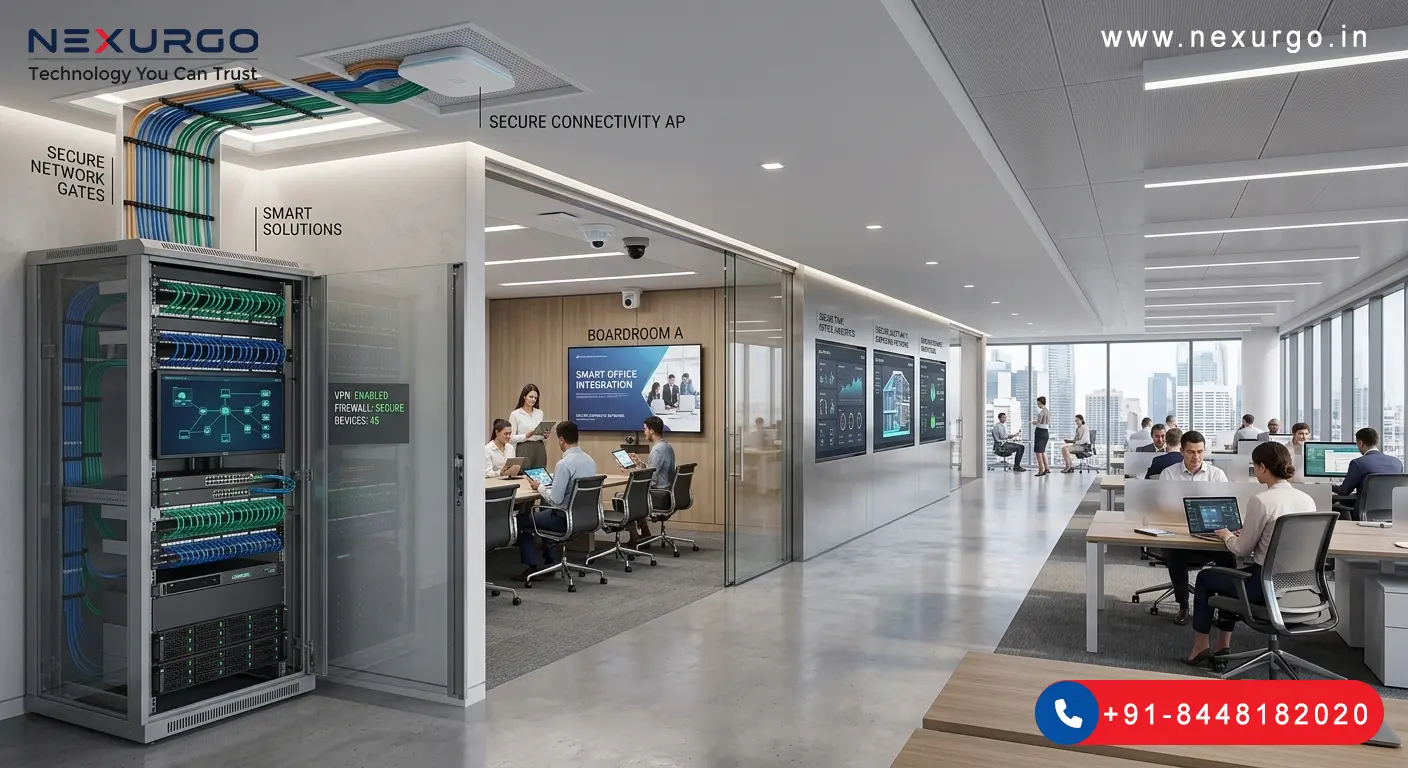
A complete solution generally includes cameras, NVR storage, PoE switches or network infrastructure, structured cabling, display screens, and correctly configured remote access.
The equipment matters, but proper camera placement, network planning, storage sizing, and access permissions determine how useful the system will be in daily life.
Why IP Cameras Are Better for Modern Security Needs
Clearer Footage When Details Matter
Face identification, vehicle movement, entry points, and stock handling cannot always be reviewed properly in low-resolution footage. IP cameras are available in higher resolutions, which can provide clearer visual details when you need to investigate an incident.
The right camera must still be selected according to the viewing distance, lighting condition, and coverage area. A high-resolution camera placed incorrectly will not solve a blind-spot problem.
Remote Monitoring Without Being On-Site
Owners, facility managers, principals, and security teams can monitor authorised camera feeds remotely. This is helpful when a business has multiple branches, a warehouse operates after office hours, or management needs visibility while travelling.
Remote access should always be configured securely. Strong passwords, user-level permissions, regular updates, and protected network access are important parts of the solution.
Easier Expansion as Your Premises Grow
New cabins, additional warehouse racks, a factory-floor extension, or another school block may require more camera coverage later. A well-designed IP surveillance system can be expanded more easily than an unplanned standalone setup.
Nexurgo assesses current requirements while keeping future expansion in mind, so the system does not need to be redesigned every time the premises change.
Better Coverage with Smarter Camera Options
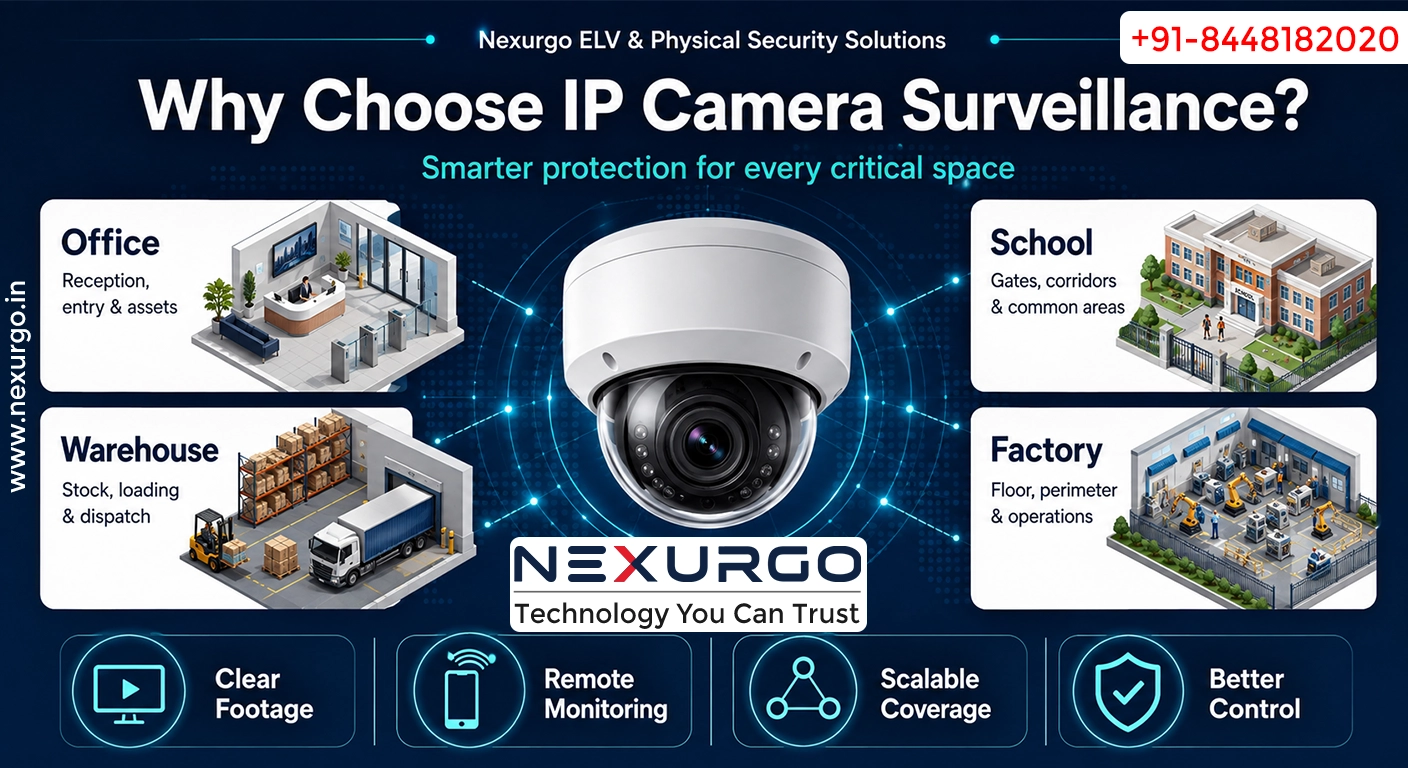
Different areas need different cameras. A dome camera may suit an office corridor, while a bullet camera may be better for a perimeter or loading bay. PTZ cameras can help with larger open areas, and cameras with suitable low-light capability can improve night-time monitoring.
The objective is not to place cameras everywhere. It is to cover the critical areas properly.
Why IP Cameras Are Good for Offices
An office may have visitors, employees, meeting rooms, IT equipment, documents, parking areas, and reception activity to manage every day.
IP cameras can help monitor:
-
Main entrances and reception desks
-
Visitor movement
-
Server rooms and critical IT areas
-
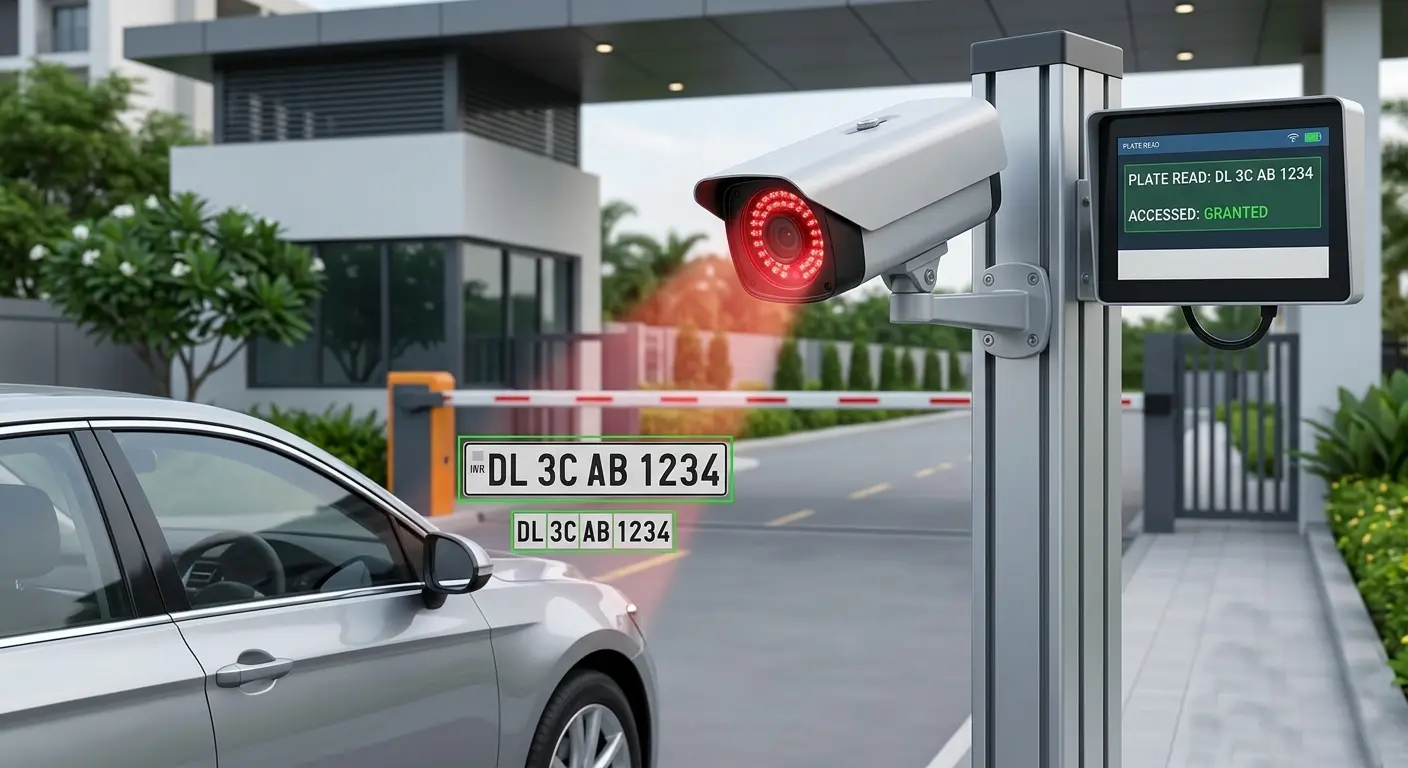
Parking and entry/exit gates
-
Common areas and corridors
-
Storage rooms and asset locations
When CCTV works together with a Visitor Management System, Access Control, and Biometric Attendance, organisations gain better visibility over who entered, when they entered, and which areas they were authorised to access.
Why IP Cameras Are Good for Schools and Educational Campuses
Student safety requires careful and responsible monitoring. Schools need visibility at gates, corridors, playground access points, transport bays, and other common areas without compromising the dignity and privacy of students and staff.
A professionally designed IP camera system can help schools monitor:
-
School gates and visitor entry
-
Reception and administration areas
-
Hallways, staircases, and common spaces
-
Playground entry and boundary areas
-
Bus parking and pickup zones
-
Laboratories, libraries, and equipment rooms
CCTV can also work alongside an EPABX & Intercom System for internal communication and a Public Address System for clear announcements during routine operations or emergencies.
Camera locations should be planned responsibly. Private areas such as washrooms, changing rooms, and other sensitive spaces must never be monitored.
Why IP Cameras Are Good for Godowns and Warehouses
A godown or warehouse often holds high-value stock, loading activity, dispatch records, and large open areas that may not be constantly staffed. Even a small gap in surveillance can make it difficult to investigate stock movement, damage, or unauthorised access.
IP cameras help provide visibility around:
-
Main gates and perimeter boundaries
-
Loading and unloading bays
-
Dispatch and receiving areas
-
Storage aisles and high-value inventory zones
-
Packing stations
-
Staff entry points
-
Vehicle movement and parking areas
For warehouses, CCTV can support operational accountability as well as security. It can help managers review loading practices, track movement during an incident, and maintain better oversight of critical zones.
Combining surveillance with Boom Barrier Solutions and Access Control Systems can further strengthen vehicle and personnel entry management.
Why IP Cameras Are Good for Factories
Factories require a security plan that considers people, machinery, raw materials, finished goods, vehicle movement, and emergency response.
IP cameras can help cover:
-
Factory gates and guard cabins
-
Production-floor entry points
-
Raw-material and finished-goods storage
-
Loading docks and dispatch areas
-
Machine perimeters where permitted and appropriate
-
Perimeter fencing
-
Parking and vehicle routes
For a stronger safety and security environment, CCTV should be considered alongside Fire Alarm Systems, Public Address Systems, EPABX & Intercom, and Access Control.
Each system has a different job. CCTV provides visual monitoring, fire alarms detect and alert, public-address systems communicate instructions, and access control helps restrict entry. When these solutions are planned together, the facility becomes easier to manage.
Nexurgo’s ELV and Physical Security Solutions
Nexurgo provides integrated ELV and physical security solutions for commercial, educational, industrial, and warehouse environments:
Choose the Right IP Camera Solution, Not Just More Cameras
The best CCTV system is not the one with the highest number of cameras. It is the one that covers the right locations, delivers useful footage, has adequate storage, and remains simple to manage.
Nexurgo can help you assess your premises and recommend an IP camera solution based on your layout, lighting, entry points, operational risks, and future expansion plans.
Whether you manage an office, school, godown, warehouse, or factory, the right surveillance system can help you protect people, reduce blind spots, and make better decisions when it matters most.